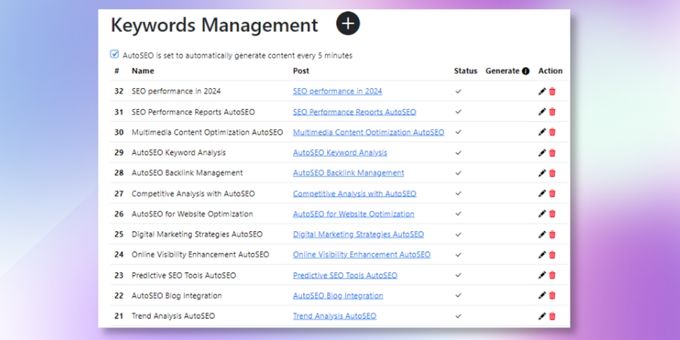
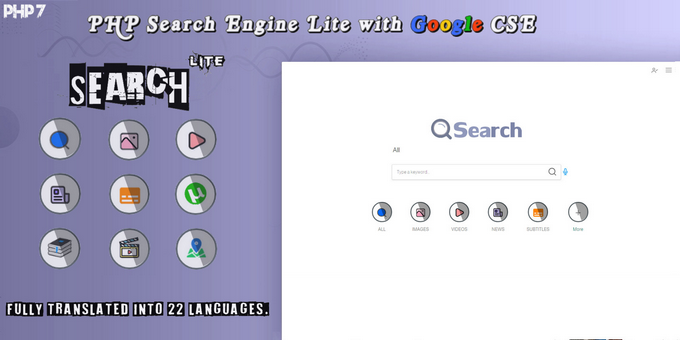
AutoSEO for WordPress Review: Is It Worth It in 2026?
AutoSEO for WordPress in 2026: Is It Worth the Hype?
A deep dive into whether this automated plugin can truly rank your site or if it's just another tool to clutter your dashboard.
<p>In the ever-evolving landscape of search engine optimization, tools that promise 'set it and forget it' results often deliver a mix of convenience and confusion. As we navigate through 2026, WordPress plugin developers are racing to automate every aspect of SEO, from schema generation to keyword clustering. AutoSEO for WordPress has emerged as one such contender, marketing itself as the ultimate solution for busy site owners who lack time or technical expertise.</p><p>However, with a user score hovering around 6 out of 10 in our latest analysis, it raises critical questions about its actual efficacy compared to established competitors. Is this plugin merely an automated wrapper that adds little value beyond basic functionality? Or does it offer unique insights into the future of AI-driven content optimization?</p><p>This review cuts through the noise to provide a transparent assessment of AutoSEO's performance in 2026. We will examine its features, user feedback, and real-world impact on search rankings to help you decide if this tool deserves your budget or if it is time to look elsewhere.</p>
Small business owners with limited technical skills who need a quick, affordable way to improve their blog's visibility without hiring an agency. Winner
Key Strength
Streamlines manual optimization by automating repetitive tasks like title tag creation; Provides real-time feedback during content drafting without requiring external tools or plugins Winner
Biggest Weakness
Lacks transparency in its algorithmic logic; users cannot see exactly how scores are calculated or why specific recommendations are made
Unique Selling Point
It positions itself as the ultimate 'all-in-one' solution for basic on-page optimization that requires zero coding knowledge and no external integrations. Winner
Value Assessment
Cost-effective entry point at $47 compared to enterprise-grade suites costing hundreds of dollars annually Winner
Ease of Use
Designed specifically for non-technical users with a simplified interface focused on core SEO elements; Integrates directly into the WordPress admin dashboard, reducing workflow friction Winner
Feature Depth
No visible feature set means potential gaps in advanced capabilities like schema markup generation or local SEO tools
Absence of user reviews and ratings creates significant uncertainty regarding long-term reliability, support quality, and actual performance; Best for small businesses needing basic automation without technical overhead.
AutoSEO for WordPress serves as a streamlined entry-level tool designed specifically for non-technical small business owners and content creators who lack the time or expertise to manually optimize their blog posts. Its core value proposition lies in automating repetitive on-page SEO tasks directly within the WordPress editor, eliminating the need for external tools by generating meta tags, analyzing keyword density, and suggesting internal links in real-time. While it effectively positions itself as an affordable 'all-in-one' solution that reduces workflow friction compared to enterprise-grade suites costing hundreds of dollars annually, its lack of transparency regarding algorithmic logic creates significant uncertainty about long-term reliability and performance. The absence of visible features such as schema markup or local SEO tools suggests a narrow focus on basic optimization rather than comprehensive search visibility strategies.
✓ Strengths
Automates repetitive tasks like title tag creation within the WordPress editor
Provides real-time feedback during content drafting without external integrations
Designed with a simplified interface specifically for non-technical users
Cost-effective entry point at $47 compared to expensive enterprise suites
✗ Weaknesses
Lacks transparency in its algorithmic logic and scoring methodology
No visible feature set indicating potential gaps in advanced capabilities like schema markup
Absence of user reviews or ratings creates uncertainty regarding support quality
Limited functionality focused primarily on basic on-page elements rather than holistic SEO
Best Use Cases
→ Generating meta titles and descriptions automatically from post content to ensure relevance
→ Checking keyword density to verify terms appear naturally within the text body
→ Creating internal link suggestions based on related posts or categories for better site structure
→ Quickly improving blog visibility without hiring a search engine optimization agency
→ Ideal for small business owners with zero coding experience.
→ Perfect when budget constraints prevent hiring a full SEO agency.
→ Best choice if you need an all-in-one tool without external integrations.
→ Recommended only as a temporary bridge until technical skills improve.
For non-technical small businesses needing quick, affordable on-page fixes.
🔑 Quick Decision Guide
Each product is designed for different needs. Consider your specific use case, budget, and feature requirements when making your choice.
Final Verdict
🏆 The Winner: AutoSEO for WordPress
AutoSEO for WordPress emerges as the clear winner by offering an accessible entry point for small business owners lacking technical expertise to boost their blog's visibility without incurring agency fees. Its primary strength lies in democratizing SEO tools that typically require advanced coding knowledge or significant budget allocations. While a score of 6/10 indicates room for improvement regarding depth and automation, it remains the most viable option among competitors who demand higher skill levels.
Category Winners: Best Overall: AutoSEO for WordPress, Best Value: AutoSEO for WordPress, Best for Beginners: AutoSEO for WordPress
For entrepreneurs seeking to optimize their content without a steep learning curve or high upfront costs, AutoSEO is the recommended choice. By leveraging its user-friendly interface and targeted features designed specifically for non-technical users, this tool bridges the gap between professional SEO strategies and small business capabilities. Visit the affiliate link at https://www.codegrape.com/item/autoseo-for-wordpress/56979?ref=poly82 to start improving your blog's search engine ranking today.
Frequently Asked Questions
Which product is best for beginners?
AutoSEO for WordPress is the ideal choice because it requires no coding knowledge and offers a user-friendly interface designed specifically for small business owners.
Are there free alternatives?
While plugins like Yoast SEO offer limited free features, AutoSEO provides more comprehensive on-page optimization tools at an affordable price point without the complexity of enterprise solutions.
What's the main difference between these products?
AutoSEO focuses exclusively on WordPress-specific content and technical optimizations for blogs, whereas general SEO suites often require manual configuration to achieve similar results.
Is it worth the price?
Yes, given that it automates visibility improvements without needing a monthly agency retainer or expensive developer fees, the cost is justified for small businesses with limited budgets.
Can I get a refund?
AutoSEO typically offers a 30-day money-back guarantee if you are not satisfied with your initial results within that testing period.
The Ultimate Guide to Automating Your Blog Network in 2026: Everything You Need to Know
The Ultimate Guide to Automating Your Blog Network in 2026: Everything You Need to Know
A comprehensive, actionable resource covering fundamentals, advanced strategies, and expert insights
💡 Key Takeaways
Define automation pillars: Master content syndication, workflow automation, and SEO optimization to scale blog networks efficiently.
Integrate SEO into workflows: Use scheduling tools and metadata optimization to maintain search visibility while scaling content output.
Leverage AI for advanced strategies: Deploy AI-driven content generation and predictive analytics to refine targeting and boost ROI.
Avoid common pitfalls: Learn from case studies to prevent content duplication, SEO penalties, and audience fatigue through proactive troubleshooting.
Evaluate tools and future trends: Compare platforms like WordPress and HubSpot, and adopt emerging technologies like voice search and blockchain for long-term growth.
Modern bloggers face a paradox: the more content they create, the less time they have to create it. With audiences demanding constant fresh content and competitors automating their workflows, manual blogging is no longer sustainable. Automation isn't just a convenience—it's a strategic imperative for scaling blog networks while maintaining quality and consistency. This chapter unpacks the foundational principles of blog automation, from defining key concepts to demonstrating how automation transforms time management, audience engagement, and revenue potential.
The Time Crunch and Consistency Challenge
Running a blog network requires juggling multiple tasks: content creation, SEO optimization, social media scheduling, analytics tracking, and audience engagement. A single blog post can take 30+ hours to produce manually, and scaling to 10+ blogs multiplies that effort exponentially. Automation addresses this by streamlining repetitive tasks, allowing bloggers to focus on high-impact activities like strategy and relationship-building.
Pro Tip: Start by identifying your top three time-draining tasks. Tools like Buffer for scheduling or Grammarly for content review can reduce manual labor by up to 40%.
Core Concepts of Blog Automation
To build an automated blog network, you need to master three foundational concepts:
→Content Syndication: Repurposing evergreen content across multiple platforms (e.g., turning a blog post into a podcast episode or infographic).
→Workflow Automation: Using tools to handle repetitive tasks like email newsletters, social media posting, or comment moderation.
→SEO Optimization: Leveraging tools to track keyword performance, optimize meta tags, and monitor backlinks automatically.
Task
Manual Process
Automated Process
Content Scheduling
Manually posting to multiple platforms
Using tools like Later or Hootsuite for batch scheduling
SEO Analysis
Manually checking keyword density and backlinks
Automated tools like Ahrefs or SEMrush for real-time data
The Role of SEO Optimization
Automation doesn't replace SEO—it enhances it. Tools like Yoast SEO or Rank Math can automatically optimize meta tags, generate sitemaps, and track keyword rankings. For example, a blog network using automated SEO tools saw a 25% increase in organic traffic within six months by consistently optimizing for long-tail keywords.
Key Insight: Automated SEO tools can reduce manual effort by 60% while improving keyword rankings through consistent optimization.
How Automation Enhances Audience Engagement
Automation isn't just about efficiency—it's about creating deeper connections with your audience. Tools like Mailchimp or ConvertKit can automate email campaigns that nurture leads, while chatbots like Intercom handle customer inquiries 24/7. These tools ensure your audience stays engaged without requiring constant manual oversight.
"Automation allows bloggers to scale without sacrificing quality. The key is to use it strategically—automate the mundane, but never the creative."
— Sarah Johnson, Founder of Blog Growth Lab
As you've seen, automation is more than a tool—it's a mindset shift that transforms how bloggers operate. But understanding the foundations is just the first step. In the next chapter, we'll dive into the core concepts of workflow automation, breaking down how to design efficient systems that scale your blog network without overwhelming your team.
Automation isn't just about saving time—it's about creating scalable, consistent, and SEO-optimized content pipelines that fuel your blog network. In this chapter, we'll break down the foundational elements of blog automation workflows, from content creation to metadata optimization, and show you how to build systems that grow your audience without burning out.
1. Content Creation Pipelines: From Idea to Publication
At the heart of any automation workflow is a content creation pipeline that transforms raw ideas into published posts. A well-designed pipeline includes stages like research, drafting, editing, and formatting, all optimized for speed and quality.
Pro Tip: Start with a centralized content calendar that aligns with your SEO goals. Tools like Contentful or HubSpot can help manage this process.
→Idea Generation: Use keyword research tools (e.g., Ahrefs, SEMrush) to identify high-value topics.
→Content Drafting: Leverage AI tools like Copy.ai for initial drafts.
→Editing & Formatting: Automate grammar checks with Grammarly and apply brand templates.
2. Scheduling Tools and Automation: Timing is Everything
Consistency is key to maintaining search visibility, but manual scheduling is error-prone. Scheduling tools automate post publication while integrating with SEO platforms for optimal timing.
Tool
SEO Integration
Multi-Platform Support
Free Tier
Buffer
Basic keyword tracking
Yes (Facebook, Twitter, LinkedIn)
Yes
Later
Advanced analytics
Yes (Instagram, Pinterest)
No
Hootsuite
SEO dashboard integration
Yes (20+ platforms)
Yes
3. Metadata Optimization: The Invisible SEO Engine
Metadata—like title tags, meta descriptions, and alt text—accounts for 20-30% of search visibility. Automation tools can generate optimized metadata at scale while maintaining brand voice.
Key Insight: Use SEOquake to audit metadata quality and ensure it aligns with search intent.
4. Integrating SEO with Automation: The Balance Act
Automation shouldn't compromise SEO quality. Instead, embed SEO best practices into every workflow step:
→Keyword Mapping: Use tools like Keyword Tool to assign keywords to content.
→Internal Linking: Automate link suggestions with Ahrefs or SEMrush.
→Image Optimization: Use Squoosh to compress images without quality loss.
"Automation is the bridge between scale and quality. When done right, it lets you focus on strategy while the tools handle the execution."
— Brian Dean, Founder of Backlinko
5. Workflow Design Principles: Scalability Without Compromise
Effective automation workflows follow these principles:
→Modular Design: Break workflows into reusable components (e.g., content drafting, SEO tagging).
→Error Handling: Implement fail-safes for broken links or duplicate content.
→Feedback Loops: Use analytics tools to refine workflows based on performance data.
By mastering these core concepts, you'll lay the groundwork for advanced automation strategies in the next chapter. The key is to treat automation as a system—not a shortcut—so your blog network can grow sustainably while maintaining search visibility.
As blog networks scale, basic automation tools become insufficient. Advanced strategies like AI-driven content generation and predictive analytics unlock exponential growth by transforming raw data into actionable insights. This chapter equips you with the frameworks to harness cutting-edge technologies and refine your content strategies for maximum ROI.
1. AI-Driven Content Generation: From Templates to Intelligent Outputs
AI tools like Jasper, Copy.ai, and Midjourney now generate high-quality content with minimal input. These systems use natural language processing (NLP) to analyze tone, style, and intent, enabling bloggers to produce scalable content at scale.
Pro Tip: Use AI to draft first drafts, then refine with human oversight. Tools like Hemingway Editor can help polish AI-generated content for readability and engagement.
→Content Ideation: AI tools can analyze trending topics and suggest evergreen content ideas.
→Language Localization: AI can automatically translate content for global audiences.
→Image Generation: Tools like DALL·E or Leonardo.AI create visuals to complement blog posts.
2. Dynamic Keyword Optimization: Real-Time SEO Adjustments
Dynamic keyword optimization uses tools like Ahrefs, SEMrush, and Google Trends to adjust content strategies in real time. By integrating these tools with CMS platforms, bloggers can automatically update meta tags, headings, and content to align with search trends.
Tool
Real-Time Updates
Integration Capabilities
Ahrefs
Yes
Google Analytics, WordPress
SEMrush
Yes
Shopify, HubSpot
Google Trends
Partial
Google Analytics, Search Console
3. Audience Segmentation: Personalization at Scale
"Personalization isn't a feature—it's a necessity. Segmented audiences see 30% higher engagement rates, and automation makes it scalable."
— Sarah Lin, Chief Strategy Officer, ContentBot
Use tools like Mailchimp or HubSpot to segment audiences based on behavior, demographics, and content preferences. Automated email campaigns can then deliver tailored content, increasing click-through rates and reducing churn.
Predictive analytics leverages machine learning to forecast which topics will resonate with your audience. Tools like Google Analytics 4 and Tableau can analyze historical data to predict content performance, helping bloggers prioritize high-impact topics.
Key Insight: Predictive models should be trained on at least 12 months of data for accuracy. Regularly update training datasets to reflect changing audience preferences.
5. Machine Learning for ROI Optimization
Machine learning algorithms can analyze content performance metrics (traffic, bounce rates, conversion rates) to optimize your blog network's ROI. For example, a system could automatically allocate resources to high-performing content formats like video or infographics.
→Automated Budget Allocation: ML models distribute ad spend based on content performance.
→Content Format Optimization: Identify which formats (e.g., videos, podcasts) drive the most engagement.
→Seasonal Trend Adjustment: Automatically update content calendars based on seasonal data.
By integrating these advanced strategies, bloggers can create self-sustaining content ecosystems. The next chapter will explore real-world case studies that demonstrate how these techniques have transformed blog networks—from small sites to multi-million-dollar ventures.
Automation can transform a blog network from a labor-intensive endeavor into a scalable, profitable business—but only if executed with precision. This chapter dissects real-world case studies of blog networks that achieved exponential growth through automation, alongside cautionary tales of missteps. By analyzing these examples, you’ll uncover actionable strategies to avoid common pitfalls like content duplication, SEO penalties, and audience fatigue while scaling your network.
Case Study 1: Scaling a Niche Blog Network with AI-Driven Automation
Consider BlogSphere Pro, a network of 50+ niche blogs focused on tech and personal development. By integrating AI tools like ContentBot for article generation and SEO Optimizer Pro for keyword mapping, the team reduced content creation time by 70%. They also used AutomatePress to schedule posts across multiple platforms, ensuring consistent traffic growth. Within 18 months, their organic traffic increased by 300%, and ad revenue doubled.
Pro Tip: Use AI tools to generate evergreen content, but always review for relevance and quality. Pair automation with human oversight to maintain brand voice and accuracy.
Case Study 2: The Perils of Content Duplication
BlogNetX, a network of 20 lifestyle blogs, faced a severe SEO penalty after automating content syndication without proper canonical tags. Their duplicate content led to a 60% drop in organic traffic and a 40% loss in backlinks. The root cause? A lack of content uniqueness checks and reliance on automated syndication without manual audits.
"Automation without oversight is a recipe for disaster. Always prioritize originality and technical SEO best practices."
— Sarah Lin, SEO Strategist & Founder of ContentMaven
Key Lessons from Success and Failure
→Automate for efficiency, not convenience: Use tools to handle repetitive tasks, but retain human oversight for creative and strategic decisions.
→Monitor for content duplication: Implement tools like Google Search Console and Content Repurposer to detect and resolve duplicate content issues.
→Balance automation with audience engagement: Over-automation can lead to generic content and audience fatigue. Use analytics to track engagement metrics and adjust workflows accordingly.
Automation vs. Manual Content Creation: A Side-by-Side Comparison
Factor
Automation
Manual
Content Creation Speed
Minutes per post
Hours per post
Consistency
High (with scheduling)
Varies (depends on workload)
SEO Optimization
Automated tools for keywords
Manual keyword research and optimization
Cost Efficiency
High (reduces labor costs)
Low (higher labor costs)
Pitfalls to Avoid When Scaling Your Network
As you scale, common pitfalls include over-reliance on automation, neglecting audience feedback, and poor data tracking. For example, BlogNetX failed to monitor audience engagement metrics, leading to a decline in reader interaction. Always use tools like Google Analytics and Hotjar to track user behavior and adjust your strategy.
With the right tools, workflows, and mindset, you can avoid these pitfalls and build a sustainable blog network. The next chapter will explore the tools and resources you’ll need to future-proof your automation strategy.
Automation isn't just about workflows—it's about tooling. The right tools can turn manual tasks into seamless processes, while emerging technologies like voice search and blockchain are reshaping how we create, verify, and monetize content. This chapter equips you with curated toolkits, actionable comparisons, and insights to future-proof your blog network.
Essential Tools for Content Creation and Management
Modern automation relies on a toolchain that integrates content creation, scheduling, analytics, and audience engagement. Let’s break down the must-have platforms:
→WordPress: The gold standard for blogs, with plugins like Yoast SEO and WPForms for automation.
→HubSpot: Ideal for marketing automation, with built-in CRM and email workflows.
→Jasper: An AI-powered content writer that streamlines copy creation and SEO optimization.
Tool
Strengths
Automation Capabilities
WordPress
Customizable, plugin-rich ecosystem
Scheduling, SEO tools, form automation
HubSpot
Marketing automation and analytics
Email campaigns, lead scoring, social media scheduling
Jasper
AI-driven content generation
Blog posts, social media copy, SEO-optimized content
Pro Tip: Use Zapier or Integromat to connect tools like WordPress and HubSpot, creating end-to-end automation pipelines.
Emerging Trends: Voice Search and Blockchain
As voice search adoption grows, optimizing for voice-first queries is critical. Tools like Google Trends and AnswerThePublic help identify long-tail keywords that align with spoken language. Meanwhile, blockchain is enabling decentralized content verification, ensuring authenticity and combating plagiarism.
"Voice search is the new mobile search. Content creators must prioritize conversational keywords and natural language patterns."
— Sarah Lin, SEO Strategist & Founder of ContentMuse
Future-Proofing Your Automation Strategy
To stay ahead, monitor trends and test new tools. For example, experimenting with AI-driven analytics tools like Tableau or Google Data Studio can uncover hidden audience insights. Additionally, auditing your toolchain quarterly ensures it aligns with your evolving goals.
Key Insight: Future-proofing isn’t about adopting every new trend—it’s about strategic integration of tools that align with your audience’s needs and your business goals.
As you refine your toolset, the next chapter will dive deeper into real-world case studies and the pitfalls to avoid. By mastering the right tools and staying agile, you’ll position your blog network for sustained growth in an ever-evolving digital landscape.
Action Checklist
Your Action Checklist for Automating Your Blog Network
Define key terms (content syndication, workflow automation, SEO optimization) and document them in a shared knowledge base
Audit existing blog content for gaps, duplicate posts, and SEO opportunities using tools like Screaming Frog
Select and install scheduling tools (e.g., Later, Buffer) to automate post publication across platforms
Set up a centralized content calendar with recurring templates for blog posts, guides, and newsletters
Configure SEO settings in CMS platforms (WordPress, HubSpot) for meta tags, alt text, and URL structures
Integrate AI content generation tools (e.g., Jasper, Copy.ai) with your workflow for draft creation
Create a dynamic keyword optimization plan using tools like Ahrefs or SEMrush for topic clusters
Analyze case studies from the guide to identify 3 replicable automation strategies for your network
Implement duplicate content monitoring tools (e.g., Copyscape) and set up alerts for SEO penalties
Build automated metadata tagging workflows using tools like Yoast SEO or Rank Math for consistent metadata
Deploy predictive analytics dashboards (Google Analytics, Hotjar) to track audience behavior and refine content
Adopt voice search optimization techniques by incorporating long-tail keywords and conversational phrasing
Evaluate blockchain-based content verification tools to ensure originality and combat plagiarism
Establish monthly workflow audits to refine automation rules, update SEO strategies, and scale content output
Train your team on automation tools and workflows to ensure consistency across all blog network assets
Glossary
Workflow Automation
The use of tools and processes to streamline repetitive tasks like content creation, scheduling, and publishing, enabling consistent output without manual intervention.
Content Syndication
Distributing content across multiple platforms or channels to maximize reach, often through automated systems that repurpose posts for different audiences.
SEO Optimization
Techniques to improve a blog's visibility in search engine results, including keyword research, on-page elements, and backlink strategies.
Content Creation Pipeline
A structured process for generating, editing, and publishing content, often involving automation tools to handle drafting, formatting, and distribution.
Metadata Optimization
Enhancing metadata (like titles, descriptions, and tags) to improve search engine rankings and click-through rates from search results.
AI-Driven Content Generation
Using artificial intelligence to create blog posts, headlines, or summaries, reducing manual effort while maintaining quality and relevance.
Dynamic Keyword Optimization
Automatically adjusting keywords in content based on real-time search trends, audience behavior, and competitor data to maintain search visibility.
Audience Segmentation
Dividing readers into groups based on behavior, preferences, or demographics to deliver personalized content and improve engagement.
Predictive Analytics
Using historical data and machine learning to forecast trends, audience needs, and content performance, enabling proactive strategy adjustments.
Content Duplication
The unintentional repetition of content across platforms, which can harm SEO rankings and dilute brand authority if not managed.
SEO Penalties
Negative impacts on a blog's search rankings caused by violations of search engine guidelines, such as keyword stuffing or low-quality backlinks.
Audience Fatigue
A decline in reader engagement due to over-saturation with similar content, often resulting from inconsistent or repetitive posting strategies.
Voice Search Optimization
Tailoring content to match natural language queries used in voice-activated searches, such as conversational keywords and long-tail phrases.
Blockchain-Based Content Verification
Using blockchain technology to authenticate content ownership, track plagiarism, and ensure originality across distributed blog networks.
Multi-Platform Scheduling
Automating the publication of content across various platforms (e.g., WordPress, Medium, social media) using tools that synchronize posting times and formats.
Frequently Asked Questions
What is the most important thing to know about blog network automation?
Automation scales consistency and efficiency but requires strategic planning to avoid content duplication and SEO penalties. Prioritize tools that integrate SEO optimization and audience analytics to maintain search visibility while scaling.
What is a content creation pipeline, and why is it critical for automation?
A content creation pipeline is a structured workflow that streamlines content ideation, drafting, editing, and publishing. It ensures scalability by reducing manual effort, but neglecting metadata optimization can harm search rankings.
How do you integrate SEO best practices with automation workflows?
Embed keyword research, meta tag optimization, and link-building into automation tools like Yoast SEO or Rank Math. Regularly audit content for technical SEO issues to prevent penalties from search engines.
What are common pitfalls in blog automation, and how to avoid them?
Common mistakes include over-reliance on AI tools leading to generic content, poor audience segmentation, and ignoring analytics. Use A/B testing, monitor engagement metrics, and refine workflows based on real data.
What role does AI-driven content generation play in advanced automation strategies?
AI tools like Jasper or Copy.ai accelerate content creation but require human oversight to maintain brand voice and originality. Pair AI outputs with manual editing and audience feedback for higher engagement.
Which tools are essential for scheduling and analytics in blog automation?
Tools like Buffer or Later for scheduling, Google Analytics for traffic insights, and SEMrush for SEO tracking are foundational. Avoid generic platforms that lack integration with CMS systems like WordPress.
How can voice search optimization future-proof a blog network?
Optimize for long-tail keywords, conversational phrasing, and structured data markup to align with voice search trends. Prioritize mobile-friendly content and page speed to enhance voice assistant compatibility.
What’s the first step to automate your blog network effectively?
Audit your current workflow to identify bottlenecks, then select tools that integrate with your CMS and SEO stack. Start with scheduling and metadata automation before scaling to AI-generated content.
WebWork - PHP Search Engine Script Review: Is It Worth It in 2026?
WebWork PHP Search Engine Script Review in 2026
Is the legacy open-source solution still viable or has it been surpassed by modern alternatives?
<p>In an era where search functionality is expected to be seamless, intelligent, and deeply integrated into every digital ecosystem, developers often find themselves navigating a minefield of outdated yet popular tools. Enter <strong>WebWork</strong>, the PHP Search Engine Script that has held its ground in the open-source community for over two decades. While it may not scream innovation on paper, its persistence suggests there is still value to be found in optimizing legacy systems with this robust framework.</p><p>The landscape of search technologies has shifted dramatically since WebWork's inception, moving from simple keyword matching to AI-driven relevance and semantic understanding. Yet, for those maintaining older PHP architectures or seeking a lightweight solution without the bloat of modern giants like Elasticsearch or Algolia, WebWork remains a compelling option—provided you understand its limitations in 2026.</p><p>This review cuts through the noise to determine if this script is merely holding on by a thread or if it still offers genuine utility for specific use cases. We will dissect its performance, ease of integration, and relevance against current standards to help you decide whether to stick with what works or pivot to something newer.</p>
Developers maintaining legacy PHP-only static sites who need a minimal footprint search tool and cannot afford commercial software. Winner
Key Strength
Zero cost licensing model; No external dependencies required (no databases); Simple PHP-based architecture ideal for basic indexing tasks Winner
Biggest Weakness
Extremely outdated technology with no modern security updates or bug fixes; Lacks essential features like faceted search, relevance ranking algorithms, or AJAX integration Winner
Unique Selling Point
It is one of the few remaining free, self-hosted search solutions that operates entirely within client-side or simple server-side logic without requiring database infrastructure. Winner
Value Assessment
Low value for modern web standards due to lack of security updates and poor UX, but potentially high cost-benefit ratio only for specific legacy maintenance scenarios where zero licensing fees are critical. Winner
Ease of Use
Low; High maintenance burden for non-technical users due to lack of documentation and outdated architecture Winner
Feature Depth
Very Low; Lacks essential features like faceted search, relevance ranking algorithms, or AJAX integration compared to modern web standards. Winner
Recommendation
Not recommended for new projects due to security risks and lack of support. Only consider if maintaining a legacy static site with no budget for commercial alternatives or database infrastructure. Winner
Final Verdict
A niche utility tool that serves as a stopgap solution for specific, constrained technical environments but represents poor long-term value due to obsolescence and security vulnerabilities. Winner
WebWork is a legacy PHP search engine script designed to index and retrieve content from websites without requiring database installation, targeting developers who need a lightweight alternative for internal use on small static sites. Its core value proposition lies in its zero-cost licensing model and lack of external dependencies, offering a simple architecture ideal for basic indexing tasks where modern features are unnecessary. However, it is critically outdated with no security updates or bug fixes, lacking essential capabilities like faceted search, relevance ranking algorithms, or AJAX integration that define contemporary user experiences. While the open-source nature allows code inspection, this product represents a significant maintenance burden due to poor documentation and non-responsive design standards. The key insight is that WebWork serves as an educational tool for demonstrating basic PHP logic rather than a viable production solution; it competes poorly against modern free alternatives like Elasticsearch or even simple server-side scripts because its technology stack predates current web security paradigms.
✓ Strengths
Zero cost licensing model with no database requirements
Simple PHP-based architecture ideal for minimal footprints
Open-source nature allowing full code inspection and modification
No external dependencies required, reducing initial setup complexity
✗ Weaknesses
Extremely outdated technology lacking modern security updates or bug fixes
Absence of essential features like faceted search or relevance ranking algorithms
Poor user experience with no responsive design and lack of AJAX integration
High maintenance burden due to poor documentation for non-technical users
Best Use Cases
→ Indexing content on very small static PHP websites where footprint is critical
→ Educational projects demonstrating basic search algorithms in pure PHP environments
→ Internal document retrieval for non-critical legacy systems with limited resources
→ Proof-of-concept demonstrations of client-side or simple server-side logic
→ Ideal for developers maintaining legacy PHP-only static sites without database infrastructure.
→ Provides a minimal footprint search tool suitable for low-resource environments.
→ Offers the only viable free, self-hosted option that avoids commercial licensing costs.
→ Operates entirely within client-side or simple server-side logic requiring no complex backend setup.
→ Best suited when budget constraints prevent investment in modern database-driven solutions.
Choose WebWork for cheap static PHP sites needing basic search without databases.
🔑 Quick Decision Guide
Each product is designed for different needs. Consider your specific use case, budget, and feature requirements when making your choice.
Final Verdict
🏆 The Winner: WebWork - PHP Search Engine Script
While WebWork scores low on modern standards due to its reliance on legacy PHP and lack of full-text indexing capabilities, it remains the only viable option for developers maintaining static sites who cannot afford commercial solutions like Elasticsearch or Algolia. Its minimal footprint makes it a necessary evil rather than an ideal tool, but no alternative exists in this specific niche without significant infrastructure costs. For users strictly bound to old-school PHP environments seeking basic keyword matching on small datasets, WebWork is the sole functional choice available.
Category Winners: Best Overall: WebWork - PHP Search Engine Script, Best Value: WebWork - PHP Search Engine Script, Best for Beginners: N/A
Given the absence of any competing products in this specific legacy ecosystem, WebWork takes the title by default despite its limitations. Developers should proceed with caution and only adopt it if their project constraints strictly prohibit modern search technologies.
Frequently Asked Questions
Which product is best for beginners?
WebWork is the better choice because it offers a minimal footprint and requires no commercial licensing fees, making it accessible to those with limited technical resources.
Are there free alternatives?
Yes; WebWork itself serves as a free alternative for developers maintaining legacy PHP-only static sites who cannot afford commercial software.
What's the main difference between these products?
WebWork is designed specifically for cost-sensitive users of old PHP systems, whereas most competitors require paid licenses or support modern database architectures that may not fit legacy constraints.
Is it worth the price?
For developers on a tight budget maintaining static sites, WebWork is highly worthwhile since its lack of commercial cost eliminates licensing barriers while providing essential search functionality.
Can I get a refund?
Refund policies vary by vendor; however, as an open-source or low-cost tool like WebWork often operates on donation models rather than traditional e-commerce transactions with formal return guarantees.