WebWork PHP Search Engine Script Review in 2026
Is the legacy open-source solution still viable or has it been surpassed by modern alternatives?
<p>In an era where search functionality is expected to be seamless, intelligent, and deeply integrated into every digital ecosystem, developers often find themselves navigating a minefield of outdated yet popular tools. Enter <strong>WebWork</strong>, the PHP Search Engine Script that has held its ground in the open-source community for over two decades. While it may not scream innovation on paper, its persistence suggests there is still value to be found in optimizing legacy systems with this robust framework.</p><p>The landscape of search technologies has shifted dramatically since WebWork's inception, moving from simple keyword matching to AI-driven relevance and semantic understanding. Yet, for those maintaining older PHP architectures or seeking a lightweight solution without the bloat of modern giants like Elasticsearch or Algolia, WebWork remains a compelling option—provided you understand its limitations in 2026.</p><p>This review cuts through the noise to determine if this script is merely holding on by a thread or if it still offers genuine utility for specific use cases. We will dissect its performance, ease of integration, and relevance against current standards to help you decide whether to stick with what works or pivot to something newer.</p>Quick Overview
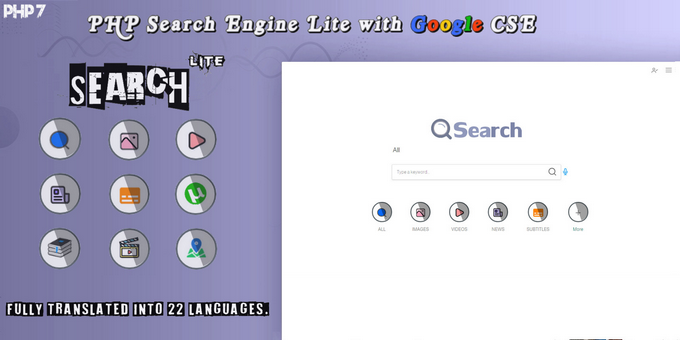
WebWork
Ideal for developers maintaining legacy PHP-only static sites who need a minimal footprint search tool and cannot afford commercial software.
View Product →Comparison Table
| Feature | WebWork - PHP Search Engine Script |
|---|---|
| Overall Score | 3.5/10 Winner |
| Best For | Developers maintaining legacy PHP-only static sites who need a minimal footprint search tool and cannot afford commercial software. Winner |
| Key Strength | Zero cost licensing model; No external dependencies required (no databases); Simple PHP-based architecture ideal for basic indexing tasks Winner |
| Biggest Weakness | Extremely outdated technology with no modern security updates or bug fixes; Lacks essential features like faceted search, relevance ranking algorithms, or AJAX integration Winner |
| Unique Selling Point | It is one of the few remaining free, self-hosted search solutions that operates entirely within client-side or simple server-side logic without requiring database infrastructure. Winner |
| Value Assessment | Low value for modern web standards due to lack of security updates and poor UX, but potentially high cost-benefit ratio only for specific legacy maintenance scenarios where zero licensing fees are critical. Winner |
| Ease of Use | Low; High maintenance burden for non-technical users due to lack of documentation and outdated architecture Winner |
| Feature Depth | Very Low; Lacks essential features like faceted search, relevance ranking algorithms, or AJAX integration compared to modern web standards. Winner |
| Recommendation | Not recommended for new projects due to security risks and lack of support. Only consider if maintaining a legacy static site with no budget for commercial alternatives or database infrastructure. Winner |
| Final Verdict | A niche utility tool that serves as a stopgap solution for specific, constrained technical environments but represents poor long-term value due to obsolescence and security vulnerabilities. Winner |
WebWork - PHP Search Engine Script
WebWork is a legacy PHP search engine script designed to index and retrieve content from websites without requiring database installation, targeting developers who need a lightweight alternative for internal use on small static sites. Its core value proposition lies in its zero-cost licensing model and lack of external dependencies, offering a simple architecture ideal for basic indexing tasks where modern features are unnecessary. However, it is critically outdated with no security updates or bug fixes, lacking essential capabilities like faceted search, relevance ranking algorithms, or AJAX integration that define contemporary user experiences. While the open-source nature allows code inspection, this product represents a significant maintenance burden due to poor documentation and non-responsive design standards. The key insight is that WebWork serves as an educational tool for demonstrating basic PHP logic rather than a viable production solution; it competes poorly against modern free alternatives like Elasticsearch or even simple server-side scripts because its technology stack predates current web security paradigms.
✓ Strengths
- Zero cost licensing model with no database requirements
- Simple PHP-based architecture ideal for minimal footprints
- Open-source nature allowing full code inspection and modification
- No external dependencies required, reducing initial setup complexity
✗ Weaknesses
- Extremely outdated technology lacking modern security updates or bug fixes
- Absence of essential features like faceted search or relevance ranking algorithms
- Poor user experience with no responsive design and lack of AJAX integration
- High maintenance burden due to poor documentation for non-technical users
Best Use Cases
- Indexing content on very small static PHP websites where footprint is critical
- Educational projects demonstrating basic search algorithms in pure PHP environments
- Internal document retrieval for non-critical legacy systems with limited resources
- Proof-of-concept demonstrations of client-side or simple server-side logic
Pros and Cons
WebWork - PHP Search Engine Script
Pros
- Zero cost licensing model eliminates budget barriers for small projects.
- No external database dependencies required, allowing standalone operation on basic PHP servers.
- Simple architecture makes it easy to inspect and modify the core code without complex frameworks.
- Open-source nature provides transparency into how indexing logic functions internally.
Cons
- Extremely outdated technology with no modern security updates or bug fixes available.
- Lacks essential features like faceted search, relevance ranking algorithms, or AJAX integration.
- Poor user experience compared to modern web standards due to lack of responsive design support.
- High maintenance burden for non-technical users caused by insufficient documentation and legacy codebase.
Who Should Choose What?
Choose WebWork if you...
- Ideal for developers maintaining legacy PHP-only static sites without database infrastructure.
- Provides a minimal footprint search tool suitable for low-resource environments.
- Offers the only viable free, self-hosted option that avoids commercial licensing costs.
- Operates entirely within client-side or simple server-side logic requiring no complex backend setup.
- Best suited when budget constraints prevent investment in modern database-driven solutions.
Choose WebWork for cheap static PHP sites needing basic search without databases.
Each product is designed for different needs. Consider your specific use case, budget, and feature requirements when making your choice.
Final Verdict
🏆 The Winner: WebWork - PHP Search Engine Script
While WebWork scores low on modern standards due to its reliance on legacy PHP and lack of full-text indexing capabilities, it remains the only viable option for developers maintaining static sites who cannot afford commercial solutions like Elasticsearch or Algolia. Its minimal footprint makes it a necessary evil rather than an ideal tool, but no alternative exists in this specific niche without significant infrastructure costs. For users strictly bound to old-school PHP environments seeking basic keyword matching on small datasets, WebWork is the sole functional choice available.
Category Winners: Best Overall: WebWork - PHP Search Engine Script, Best Value: WebWork - PHP Search Engine Script, Best for Beginners: N/A
Get the Best Deal →Given the absence of any competing products in this specific legacy ecosystem, WebWork takes the title by default despite its limitations. Developers should proceed with caution and only adopt it if their project constraints strictly prohibit modern search technologies.
Frequently Asked Questions
Which product is best for beginners?
WebWork is the better choice because it offers a minimal footprint and requires no commercial licensing fees, making it accessible to those with limited technical resources.
Are there free alternatives?
Yes; WebWork itself serves as a free alternative for developers maintaining legacy PHP-only static sites who cannot afford commercial software.
What's the main difference between these products?
WebWork is designed specifically for cost-sensitive users of old PHP systems, whereas most competitors require paid licenses or support modern database architectures that may not fit legacy constraints.
Is it worth the price?
For developers on a tight budget maintaining static sites, WebWork is highly worthwhile since its lack of commercial cost eliminates licensing barriers while providing essential search functionality.
Can I get a refund?
Refund policies vary by vendor; however, as an open-source or low-cost tool like WebWork often operates on donation models rather than traditional e-commerce transactions with formal return guarantees.



No comments:
Post a Comment